
Quilts are sandwiches–the pieced top which is usually the star of the show, the backing which is often an afterthought and the batting which is not seen or given much thought by non-quilters but which adds warmth and drape. Thus the batting used can greatly affect the look and durability of a quilt and can add to the cost of the quilt’s construction. (photo by T-Shirts of Texas)
Quilt historians have found many different battings. A quilt that is registered with the Kansas Historical Society and was donated to the Quilters at First, used raw cotton as the batting. Cotton was cleaned of seeds and stems and stuffed between the top and backing and tied. This method would not allow hand quilting.
Early housewives used worn out sheets, blankets and quilts to add warmth to the new quilt. Women in colonial and western expansion times used what was available. Many of the quilts of the Depression were made to keep families warm thus a torn or tattered quilt’s life could be extended by becoming the “batting” of a new quilt.
We have lots of batting choices in 2024. Cotton, polyester, wool, bamboo, silk and blends are all available.
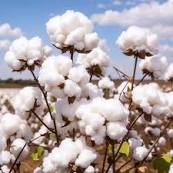
Cotton is the most common. It is breathable, easy to work with and affordable. Cotton batting will shrink when washed which gives it a well used appearance or added texture.
Cotton batting is packaged by quilt size–baby quilt (45″ x 60″)to king size (122″ x 124″) or by the roll. Most of the “cotton” batting” is really a blend with 10% more or less of polyester fiber. The blends are usually less expensive and combine the best features of both cotton and polyester. It is important that 100% cotton be used in anything that would be used in a microwave. Polyester blends can cause fires!
Polyester is fluffier and according to the hand quilters at Quilters at First, much easier to slip the needle through. It won’t shrink–no crinkly vintage look and won’t show fold creases. But it is not as warm and doesn’t drape as well. It is slightly less expensive.
Wool batting is warm, breathable, super-soft, very strong and is a sustainable fiber. Wool batting shows off hand and machine quilting and resists fold creases and shrinking. Persons with animal hair or fur allergies may have problems though.

Wool batting is a bit more expensive and not as available.
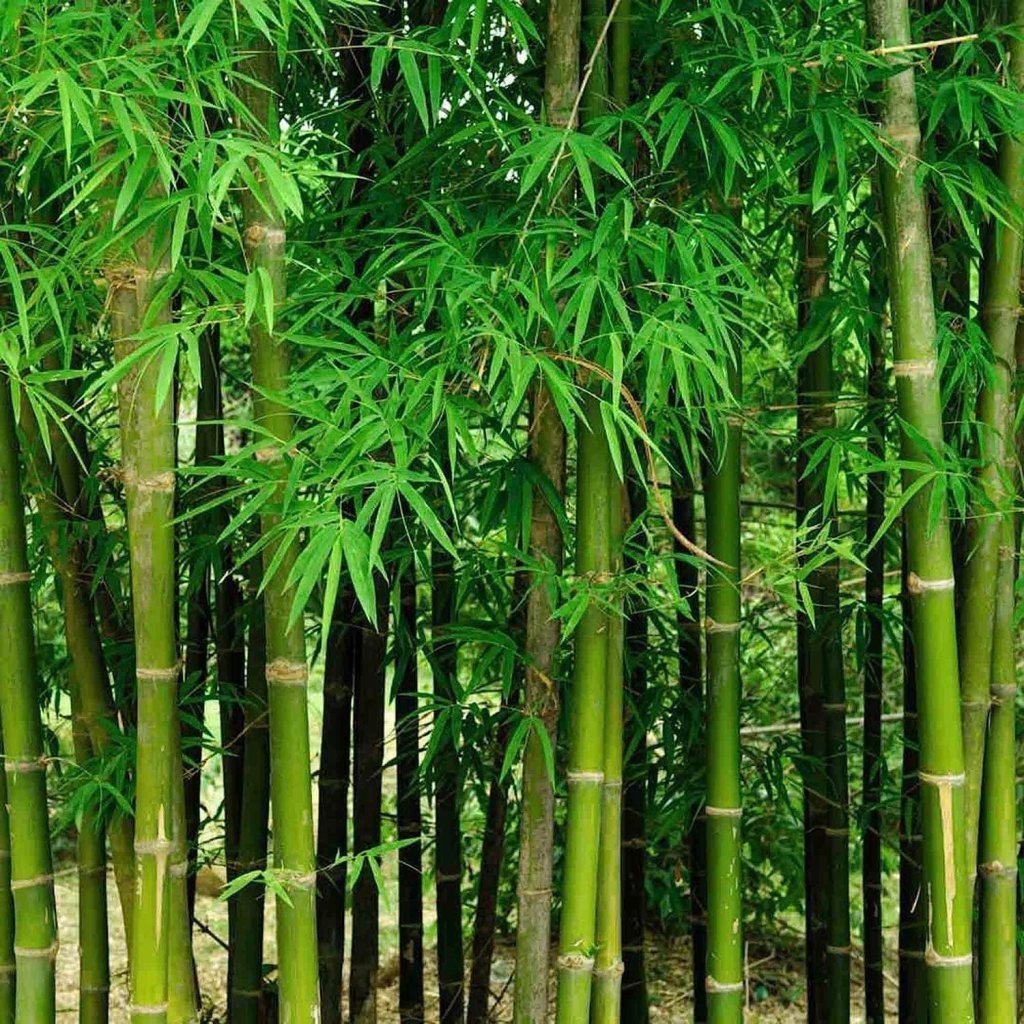
Bamboo batting is the “summer” batting. It is light weight, thin, strong and won’t mildew (in case you forget to take it out of the washing machine for a couple of days). It is more expensive of the common battings.
Siłk is the luxury batting with a lovely drape and feel. It is very breathable. In cold climates it keeps the body warm and in warmer climates it cools, remarkable! It is hypoallergenic, very durable, and resists mold. But silk is the most expensive, almost double the cost of cotton batting.
Lots of fiber choices! But wait, there are also color choices. Most cotton batting comes in a cream or natural but white and black are for sale. White batting beneath a mostly pastel or white top adds to the sparkle.
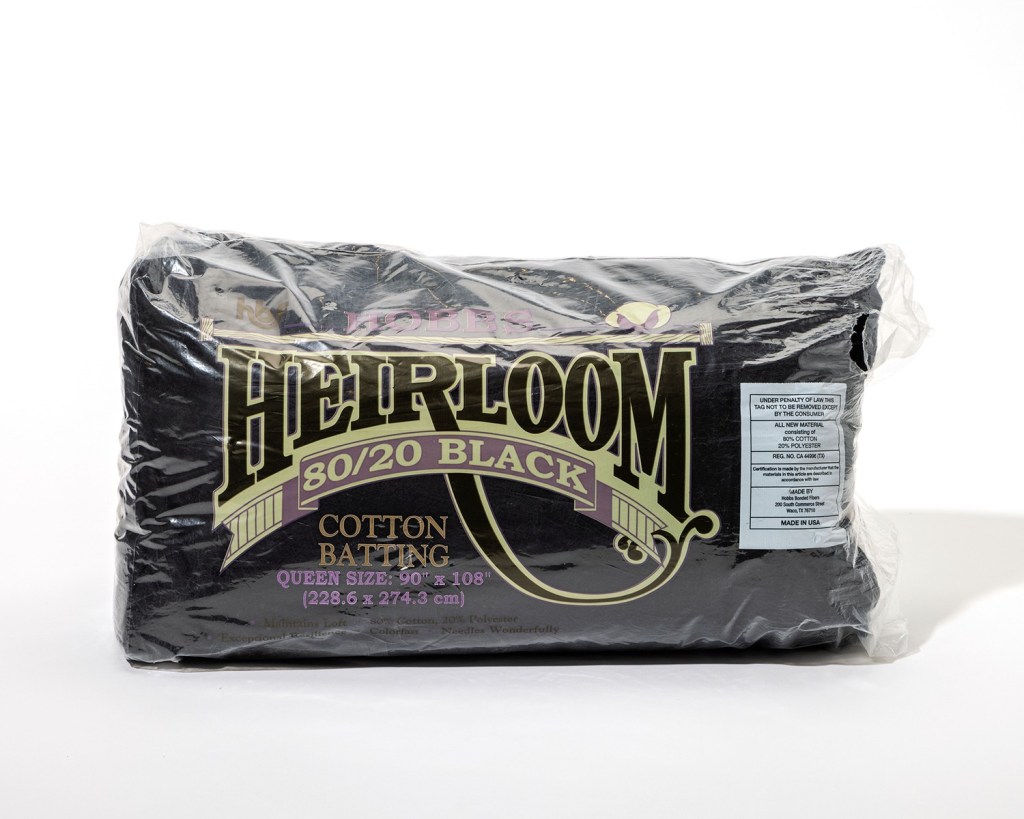
Black should be used if most of the background of the pieced top is black or navy. Often a needle will bring up tufts of batting, especially when machine quilting. White batting on a black background top is not pretty.
Batting adds to the cost of making a quilt! If a twin quilt top is completely made from scraps (which were purchased at one time), the batting will add $20 to $30 dollars depending on the type. The batting for quilt offered on our web site for $125 probably cost $20+. I save every scrape of batting to “Frankenstein” batting for table runners, baby quilts, placemats etc. I puzzle piece the scraps together and zig zag the straight edges.
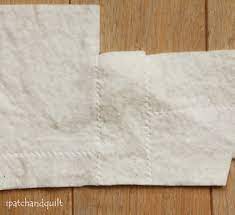
If you are careful, no one knows that the batting has lots of scar tissue! Most of the small items I offer for sale use pieced batting. Tape that is light weight and heat bondable is available, but that is just another cost.
Batting has been on my mind lately. I have six finished tops stacked in my sewing room needing to be quilted and to be quilted– batting is needed.
I “bit the bullet” and ordered a roll–90″ wide by 40 yards of cotton poly blend. Buying in “bulk” was the less expensive route. I wanted to show you a photo of me standing the roll on end in my messy sewing room but FedEx just informed me that it is still on the way. Even on sale it is about $100 more than I paid in 2020! My hobby/passion is not cheap!

All this was probably more than you cared to know about batting but it is the “filling” in quilt sandwiches and you are a bit more knowledgeable about the information provided in the description of a quilt for sale. Happy shopping!
 Quilts, Etc.
great information. And I have been looking for a light batting for my denim quilt.
LikeLike